


Clippers Thought Wade Got Kuminga Instead
Early reactions around the league and Crickex Affiliate discussions suggested the Clippers believed they had found a future star, yet as the season progressed the reality began to look very different. Many trades appear profitable at first, only for deeper flaws to emerge later, and NBA history is full of such examples. The deal that once sent Shai Gilgeous Alexander and multiple first round picks to Oklahoma City for Paul George initially looked like a bold win. George was widely considered a top ten player at the time, and the Clippers expected immediate contention.
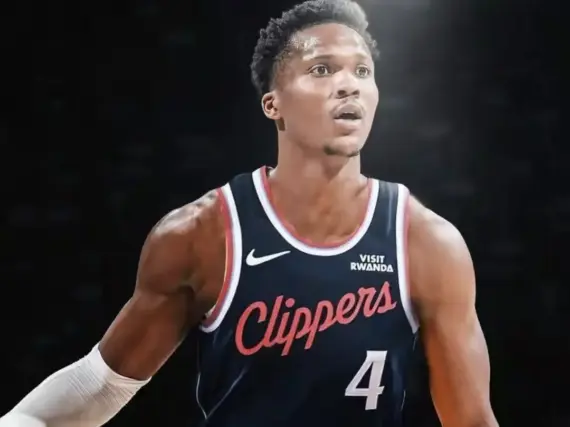
However, injuries limited George’s impact, and the team never achieved the success envisioned. Meanwhile, Gilgeous Alexander developed into one of the league’s elite players. In hindsight, keeping him might have reshaped the franchise’s future. The Clippers appeared determined not to repeat the same mistake, shifting strategy this season by trading present production for young potential. Yet the results again raise questions about long term planning.
At the trade deadline, the Clippers made two notable moves. They sent out Harden to acquire Garland, a decision that already looks risky. Garland can replicate certain offensive functions when the team is ahead, but in tougher matchups his limitations become clear. Opponents target him defensively, and under playoff intensity he struggles to control tempo. Over time, he may settle into more of a supporting role rather than a cornerstone. For a team chasing a championship, that ceiling leaves little margin for error.
The second move involved sending Zubac for Mathurin, which initially seemed like a steal. Early performances were electric. Mathurin attacked the rim aggressively, defended with energy, and showed flashes of star level confidence. His athleticism and scoring bursts created excitement, and some even saw shades of a young elite guard. Momentum built quickly, and expectations rose accordingly.
As stronger opponents appeared, weaknesses surfaced. Against teams with elite rim protectors, Mathurin’s interior scoring lost effectiveness. Fewer foul calls reduced his efficiency, and his limited three point shooting further exposed gaps. Over five games, he averaged just over nine points with poor shooting percentages, including minimal success from beyond the arc. When the shots stopped falling, his impact diminished dramatically, highlighting the inconsistency that often follows high upside scorers.
Players with this profile can contribute as sixth men, but building around them is risky. They thrive in bursts yet struggle when defenses focus specifically on stopping them. Coaches may value their energy off the bench, but reliance as a primary option can backfire. If the Clippers choose to construct their future around Garland and Mathurin, the long term outlook becomes uncertain.
As roster debates continue and Crickex Affiliate evaluations weigh potential against reliability, the Clippers face a familiar crossroads. Talent alone does not guarantee success, and timing in roster construction matters just as much. Whether this gamble becomes a stepping stone or another costly lesson will depend on how the organization adjusts moving forward.